
Coastal Cooling Know-How: Smart Repair Decisions and Seasonal Prep
Staying cool in a coastal climate requires more than a quick fix when the temperature rises. Air conditioning repair service plays a crucial role in comfort, efficiency, and indoor air quality throughout long, humid seasons. Making informed choices about diagnostics, parts, and timing can save time and reduce wear on equipment. The following guide shares practical insights for homeowners looking to extend system life, improve airflow, and keep energy use steady while preparing for changing weather.
1) Recognize signs before a breakdown
Small changes are often the first clues. Uneven temperatures between rooms, longer run times, or short cycling point to airflow restrictions, failing capacitors, or thermostat issues. Warm air from vents, unusual odors, or rattling sounds can indicate coil concerns, loose components, or debris in the blower assembly. Catching symptoms early helps avoid stress on motors and compressors. When in doubt, pausing the system and scheduling a diagnostic evaluation prevents minor issues from turning into expensive repairs.
2) Focus on airflow and cleanliness
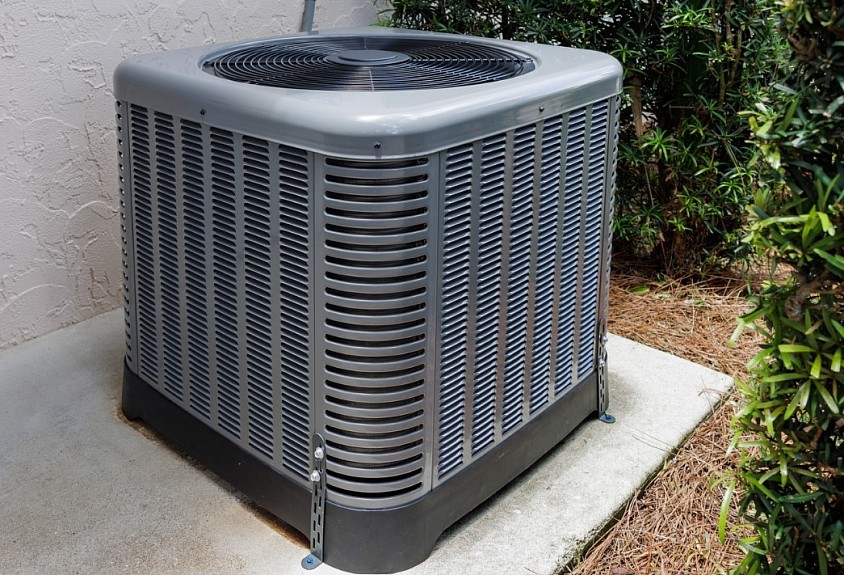
Airflow is the backbone of cooling performance. Dirty filters, clogged coils, or blocked returns force components to work harder. Replace or clean filters on a predictable schedule, and keep supply and return grilles free of dust and furniture. Clear leaves and grass clippings from the outdoor unit and ensure at least a few feet of unobstructed space for proper ventilation. Indoors, check that doors and registers remain open in frequently used rooms to maintain consistent circulation and reduce pressure imbalances.
3) Weather-ready sealing and insulation
A well-performing air conditioner can still struggle if the home leaks conditioned air. Inspect weatherstripping around doors and windows, seal gaps around plumbing penetrations, and consider attic and crawlspace insulation upgrades where appropriate. Tightening the building envelope reduces run time, supports stable humidity control, and eases strain on aging components. Coastal humidity makes these measures especially valuable because balanced moisture levels help the system reach target temperatures more quickly and comfortably.
4) Timely diagnostics and part selection
Delaying a repair to “stretch” one more season often costs more later. Addressing worn contactors, weak capacitors, and fan motors before peak heat helps prevent cascading failures. Matching replacement parts to original specifications maintains design performance and protects warranties. If a system is nearing the end of its expected life, weigh repair costs against long-term efficiency gains from modern equipment. Documenting service history also supports smarter decisions when prioritizing repairs versus updates.
5) Humidity and comfort considerations
Comfort depends on more than just temperature. If indoor spaces feel clammy even when cool, the system may be short cycling, oversized, or suffering from poor airflow. Improving coil cleanliness, confirming refrigerant charge within manufacturer guidelines, and ensuring proper blower speeds can enhance moisture removal. Thoughtful scheduling—such as setting the thermostat a bit higher when away and pre-cooling before peak afternoon hours—can also help stabilize humidity without overworking equipment.
6) Coastal corrosion awareness
Salt-laden air can accelerate wear on outdoor components. Regular rinsing of the condenser cabinet with gentle water (power washers can damage fins) helps limit salt accumulation. Protective coatings available for some coils and cabinets add another layer of defense. Keeping vegetation trimmed and positioning yard irrigation away from the unit reduces corrosive exposure. During service visits, ask for close inspection of fins, electrical terminals, and mounting hardware to catch early signs of deterioration.
7) Planning for the future
Energy-conscious homeowners often explore strategic updates that align comfort goals with long-term reliability. When evaluating system upgrades, discuss efficiency ratings, refrigerant type, and compatibility with existing ductwork. In many coastal regions, modernized options can deliver dependable cooling alongside improved dehumidification and quiet operation. For homes seeking a versatile, year-round solution, consider heat pump installation Wilmington as part of a broader plan to enhance comfort and resilience across seasons, taking into account local climate conditions and building characteristics.
A thoughtful approach to air conditioning repair service blends early detection, proactive maintenance habits, and well-timed decisions. By prioritizing airflow, sealing the home, managing humidity, and addressing coastal wear, homeowners can preserve comfort, avoid surprise breakdowns, and position their systems for steady performance throughout demanding summers.
Coastal HVAC insights: smarter strategies than furnace repair in Wilmington
From salty sea breezes to humid summers and occasional cold snaps, coastal HVAC systems face unique demands that call for thoughtful attention long before a breakdown happens. Air conditioning repair work often begins with the same core principle: understanding how air, moisture, and heat move through a home. The following guide outlines practical, prevention-first insights homeowners can use to keep equipment running steadily, minimize surprises during peak seasons, and recognize early warning signs that point to needed service, including urgent cases like FURNACE REPAIR WILMINGTON residents may encounter when temperatures dip.
1. Prioritize airflow and filtration
Restricted airflow forces components to work harder, raising temperatures inside equipment and accelerating wear. Regularly check return grilles for dust buildup, ensure vents are open and unobstructed, and replace filters on schedule. If certain rooms feel stuffy or unevenly cooled, it may signal duct imbalances or blockages that warrant a professional assessment. Better airflow helps reduce strain, improve comfort, and prevent issues that can masquerade as thermostat or refrigerant problems.
2. Address coastal corrosion early
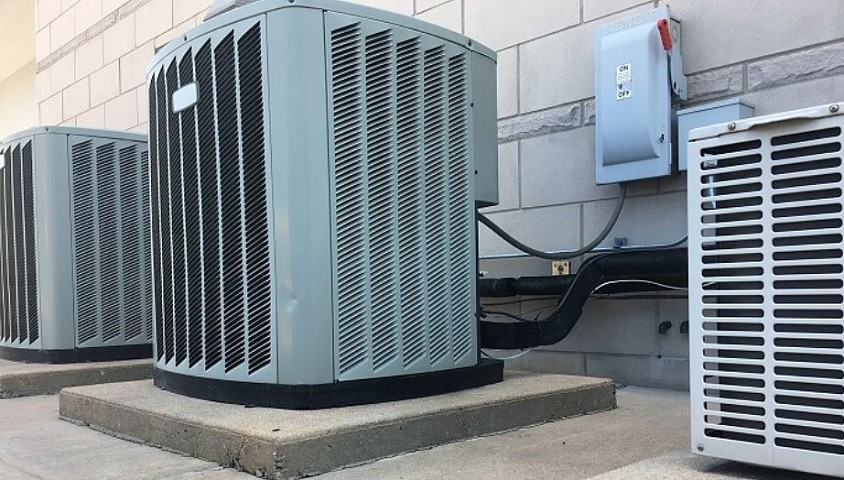
Salt-laden air can corrode outdoor coils, fan housings, and fasteners. Inspect the outdoor unit periodically for rust, flaking paint, or bent fins. Gentle coil rinsing, fin straightening, and timely protective treatments can extend component life. Left unchecked, corrosion increases energy use and raises the odds of mid-season failure. Proactive attention to the condenser’s condition pays off in quieter operation, steadier performance, and fewer emergency calls.
3. Calibrate thermostats and test safety features
Temperature swings and power blips can nudge a thermostat out of calibration. Confirm setpoints with a reliable room thermometer and replace weak batteries at the start of each season. For heating equipment, test safety switches and flame sensors well before cold weather arrives. If short cycling, unexpected shutdowns, or unusual odors appear, discontinue use and schedule service promptly to maintain safe, dependable operation throughout cooler months.
4. Tackle drainage and indoor humidity
High humidity stresses air conditioners and invites microbial growth. Keep condensate lines clear and confirm the drain pan is clean and sloped correctly. If you see standing water or frequent line clogs, address them before they trip float switches or lead to water stains. Managing indoor moisture also helps protect finishes, reduces musty smells, and allows the system to cool more efficiently without overworking the compressor.
5. Listen for mechanical clues
Rhythmic rattles, metallic screeches, brief grinding at startup, or a fan that hesitates are early clues of loose panels, failing bearings, or motor issues. Likewise, a sudden hiss or bubbling sound near refrigerant lines can indicate a leak. Catching these sounds early can prevent further damage to compressors, blowers, or heat exchangers. Keep notes on when noises occur to speed diagnosis and reduce repeat visits.
6. Maintain clean coils for stable capacity
Dust and salt on evaporator and condenser coils act like a blanket, trapping heat where it doesn’t belong. The result is longer run times, higher bills, and tepid air from vents. Visual inspections and careful cleaning improve heat transfer, protect compressors from overheating, and shorten cooling cycles. When paired with proper airflow, clean coils restore system capacity and help maintain comfortable indoor temperatures.
7. Prepare during shoulder seasons
The best time to uncover weak capacitors, borderline igniters, or worn contactors is before weather turns extreme. Plan a pre-summer cooling check and a pre-winter heating check so minor issues don’t snowball into discomfort. If heating reliability is in doubt, address it promptly to avoid last-minute scrambles for urgent assistance, including time-sensitive needs such as furnace repair Wilmington when a cold front arrives unexpectedly.
In coastal climates, small details—from filter changes to drainline care—make a large difference in everyday comfort and long-term reliability. By monitoring airflow, combating corrosion, verifying controls, managing humidity, and listening for changes, homeowners can prevent many breakdowns and make smarter decisions when service is needed. Thoughtful attention between seasons turns reactive repairs into manageable tune-ups and helps ensure steady comfort no matter what the forecast brings.